WASHINGTON — A coalition of 25 states filed a lawsuit against the Trump administration on Monday, challenging its latest round of tariffs and arguing that the new import duties are an unlawful attempt to replace tariffs that were previously struck down by the U.S. Supreme Court.
The lawsuit contends that the administration is using concerns over forced labor in global supply chains as a legal justification—or “pretext”—to reintroduce broad import taxes that the nation’s highest court ruled exceeded presidential authority earlier this year.
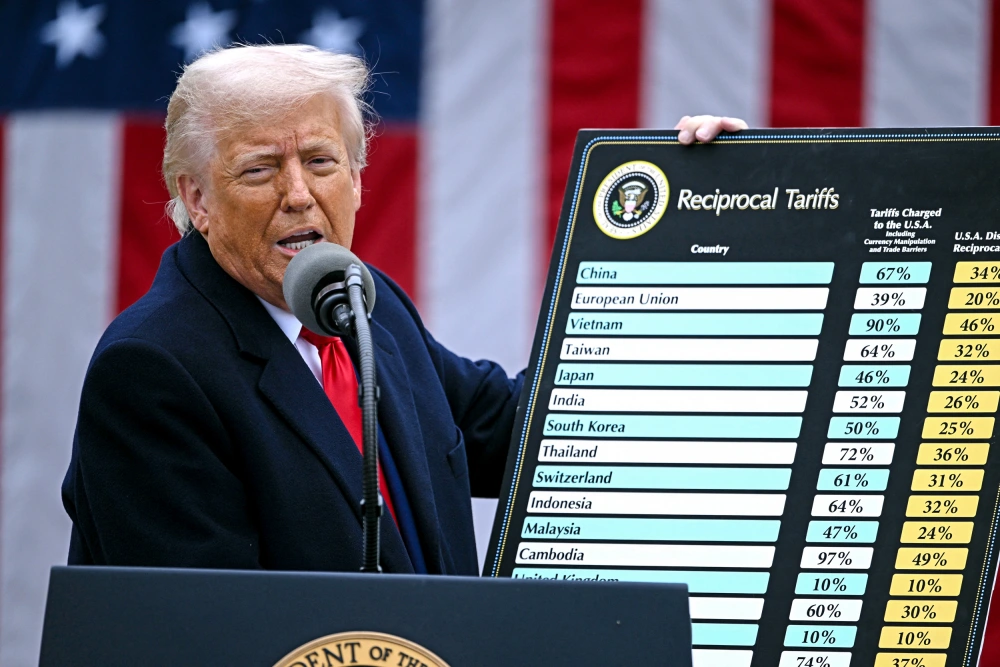
The disputed tariffs were announced last month and impose double-digit import duties on goods from 59 countries and the European Union. The administration said the measures were necessary because the targeted nations had failed to do enough to prevent products made with forced labor from entering international markets.
The new tariffs took effect just as temporary import taxes implemented after the Supreme Court’s February ruling were set to expire, prompting legal challenges from several states that argue the administration is attempting to sidestep the court’s decision.
New York Attorney General Letitia James, whose office is leading the coalition, criticized the administration’s actions, saying the tariffs would place an unnecessary financial burden on consumers and businesses.
“After losing at the Supreme Court, the administration is once again trying to illegally raise taxes on families and businesses with a new round of tariffs,” James said in a statement.
The lawsuit argues that while combating forced labor is an important policy objective, the administration cannot use that concern to impose sweeping tariffs without proper legal authority or congressional approval. According to the states, the new measures function as broad taxes on imported goods rather than narrowly targeted enforcement actions.
State officials also warn that the tariffs could increase costs across a wide range of industries, from manufacturing and retail to agriculture, ultimately driving up prices for American consumers. Businesses that rely on imported materials or finished products may face higher operating costs, which could be passed on through increased prices.
The Trump administration has defended the tariffs as a necessary tool to combat unfair trade practices and reduce the flow of goods linked to forced labor. Officials have argued that stronger economic pressure is needed to encourage foreign governments and manufacturers to improve labor standards and ensure supply chain transparency.
The legal challenge sets up another major court battle over the scope of presidential authority in trade policy. The states are asking the court to block enforcement of the tariffs, arguing that the administration is effectively reinstating import taxes that the Supreme Court already determined were unlawful.
If successful, the lawsuit could once again reshape U.S. trade policy and limit the executive branch’s ability to impose broad tariffs without explicit authorization from Congress. The case is expected to draw significant attention from businesses, trade groups, and international partners, as its outcome could have far-reaching implications for global commerce and future tariff policy.