As bronzed skin regains popularity on social media, health experts are warning that the trend comes with significant risks. While influencers promote tanning as a beauty ideal and even claim it can improve mood, dermatologists say prolonged exposure to ultraviolet (UV) radiation—whether from the sun or tanning beds—can have lasting and potentially life-threatening consequences.
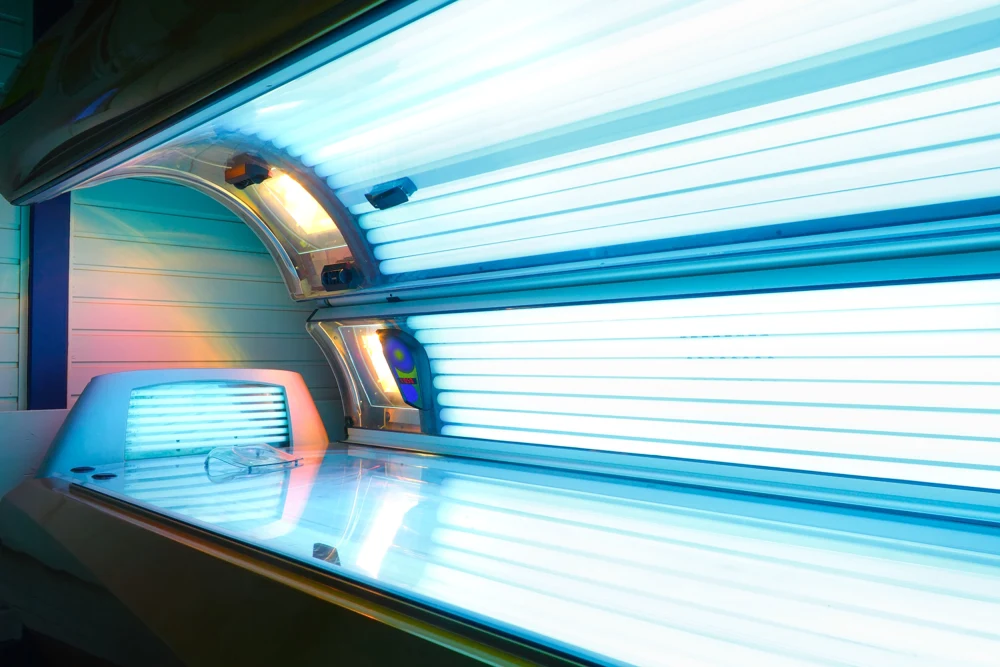
The World Health Organization (WHO) has long classified tanning beds as a Group 1 carcinogen, placing them in the same highest-risk category as tobacco and asbestos because of their proven link to cancer. Despite years of public health campaigns, indoor tanning has seen renewed interest, particularly among teenagers and young adults influenced by online beauty trends.
A Personal Story Highlights the Dangers
For Nichole Sims, tanning began as a teenage ritual.
She started using tanning beds at the age of 15 because it was common among her friends, especially before special occasions like homecoming dances, prom, and other social events. Like many teenagers, she viewed having a tan as part of looking attractive and fitting in.
Eight years later, however, Sims received devastating news: she had developed melanoma, the deadliest form of skin cancer.
Melanoma develops in the cells that produce skin pigment and can spread quickly to other parts of the body if not detected and treated early. Although it accounts for a smaller percentage of skin cancer cases, it is responsible for the majority of skin cancer deaths.
Sims now uses her experience to educate others, particularly on social media platforms where tanning is often portrayed as harmless or even beneficial.
“I just feel like our generation doesn’t really look into a lot of risks. They just kind of live in the moment,” Sims said, explaining why she feels compelled to speak out against misinformation.
Social Media Fuels the Trend
Health professionals say social media has played a major role in the resurgence of tanning culture. Viral videos often celebrate “sun-kissed” skin, tanning routines, and UV exposure as part of a healthy lifestyle or beauty regimen.
Some online posts even claim tanning boosts mental health, increases vitamin D, or creates a healthier appearance.
Dermatologists caution that these claims can be misleading.
While sunlight does contribute to vitamin D production, experts note that only a small amount of sun exposure is generally needed for this purpose. Excessive UV exposure provides no additional health benefits and instead significantly increases the risk of skin damage and cancer.
Medical professionals also stress that there is no such thing as a “safe tan.” A tan is actually the skin’s response to DNA damage caused by ultraviolet radiation.
The Hidden Damage of UV Exposure
Ultraviolet rays penetrate the skin and damage the DNA inside skin cells. Over time, this damage accumulates, increasing the likelihood of mutations that can lead to various forms of skin cancer, including melanoma, basal cell carcinoma, and squamous cell carcinoma.
Beyond cancer, repeated UV exposure accelerates skin aging by breaking down collagen and elastin, the proteins responsible for keeping skin firm and youthful.
Common long-term effects include:
- Premature wrinkles and fine lines
- Age spots and uneven pigmentation
- Loss of skin elasticity
- Leathery skin texture
- Increased risk of cataracts and other eye damage
Experts say much of the visible aging associated with skin is caused by cumulative sun exposure over the years rather than the natural aging process alone.
Why Tanning Beds Are Especially Dangerous
Indoor tanning devices emit concentrated ultraviolet radiation, often at levels stronger than natural sunlight.
According to health authorities, people who begin using tanning beds before the age of 35 significantly increase their risk of developing melanoma later in life.
The WHO and numerous cancer organizations continue to discourage the use of tanning beds altogether, emphasizing that they offer no safe alternative to natural sunlight.
Many countries have introduced age restrictions or outright bans on commercial tanning beds for minors due to the well-documented health risks.
Protecting Your Skin
Dermatologists recommend limiting UV exposure by wearing broad-spectrum sunscreen with SPF 30 or higher, seeking shade during peak sunlight hours, wearing protective clothing and hats, and avoiding indoor tanning altogether.
For those who prefer the appearance of tanned skin, experts suggest using self-tanning lotions or spray tans, which create a bronzed look without exposing the skin to harmful ultraviolet radiation.
Raising Awareness
For survivors like Nichole Sims, sharing personal experiences has become an important way to challenge beauty standards that equate tanning with health or attractiveness.
Health experts hope that increased awareness, combined with education about the long-term dangers of UV exposure, will encourage more young people to prioritize skin protection over temporary cosmetic trends.
As tanning experiences a resurgence online, medical professionals continue to stress that while a tan may fade in weeks, the damage caused by ultraviolet radiation can last a lifetime.