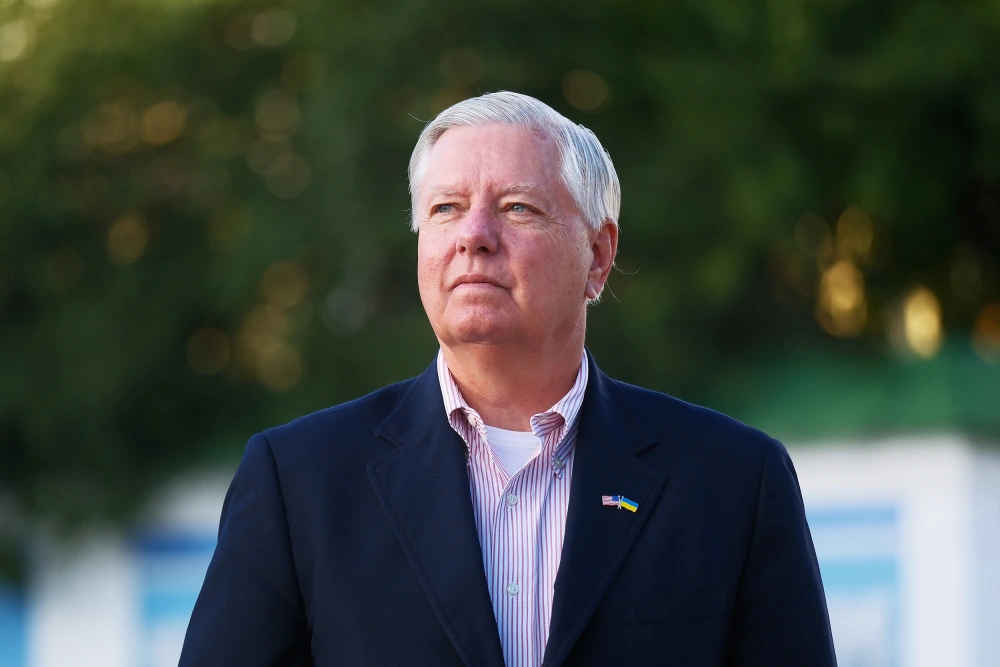
WASHINGTON — The nation’s capital is preparing to honor the life and legacy of Sen. Lindsey Graham, as President Donald Trump, members of Congress, military officials, and international leaders gather to pay their final respects following the longtime South Carolina senator’s unexpected death earlier this month. Graham, who was 71, leaves behind a political career spanning more than three decades and a reputation as one of Washington’s most recognizable voices on foreign policy and national security.
His passing has sent shockwaves through the political establishment in the United States and prompted tributes from allies and officials around the world who worked with him throughout his years in public service.
Capitol Ceremony Marks Beginning of Final Farewell
The two-day remembrance will begin at approximately 10 a.m. ET on Tuesday, when Graham’s casket arrives at the U.S. Capitol Rotunda for a special ceremonial tribute. The event will recognize both his distinguished military background and his lengthy career representing South Carolina in Congress.
Although attendance at the Capitol ceremony will be limited to invited guests, the proceedings will be livestreamed, allowing Americans across the country to participate in honoring the late senator.
The tribute is expected to include remarks from congressional leaders, ceremonial military honors, and moments reflecting on Graham’s decades of public service and influence in shaping U.S. foreign policy.
Funeral Service at Washington National Cathedral
Following the Capitol ceremony, a private funeral service will be held at the Washington National Cathedral, one of the nation’s most significant venues for honoring prominent public figures. Like the Capitol event, the service will not be open to the general public but will be available through a live broadcast.
Political leaders from both major parties are expected to attend, underscoring Graham’s longstanding relationships across the political spectrum despite his often outspoken positions on national and international issues.
A Career Defined by National Security and Bipartisan Relationships
Lindsey Graham served as one of the Senate’s most influential voices on defense, military affairs, and foreign policy. Throughout his career, he played a key role in debates surrounding U.S. military operations, counterterrorism strategies, judicial appointments, and international diplomacy.
Before joining the Senate, Graham served in the U.S. House of Representatives and built a reputation as a strong advocate for America’s armed forces. His background as a military lawyer in the Air Force Reserve heavily influenced his legislative priorities and earned him respect among military leaders.
Known for his candid personality and willingness to engage in bipartisan negotiations, Graham often found himself at the center of major legislative debates, even while remaining a prominent conservative figure.
Tributes Pour In From Around the World
Following news of his death, tributes arrived from political leaders, diplomats, and international allies who praised Graham for his commitment to strengthening U.S. alliances and promoting American leadership abroad.
Many foreign officials highlighted his consistent support for NATO, Ukraine, Israel, and America’s broader security partnerships, noting that his influence extended far beyond Capitol Hill.
At home, colleagues remembered Graham as a senator who combined sharp political instincts with a deep understanding of international affairs, making him one of the Senate’s most recognizable and influential lawmakers.
Remembering a Lasting Legacy
Graham’s death marks the end of a significant chapter in American politics. Over more than 30 years in Congress, he became a central figure in shaping debates on national security, judicial policy, and foreign relations.
As Washington gathers to honor his life, Tuesday’s ceremonies are expected to celebrate not only his legislative accomplishments but also his decades of service to the nation. With tributes from presidents, lawmakers, military leaders, and international partners, the farewell reflects the broad impact Graham had on American politics and global diplomacy.