Prominent environmental activist and educator Sonam Wangchuk has ended his 26-day hunger strike, bringing a close to one phase of a protest movement that has grown into one of the most significant youth-led demonstrations in India in recent years.
Although Wangchuk has resumed eating after appeals from lawmakers and supporters, the movement he helped inspire continues to gain momentum, with the so-called “Cockroach” protests spreading to multiple cities across the country.
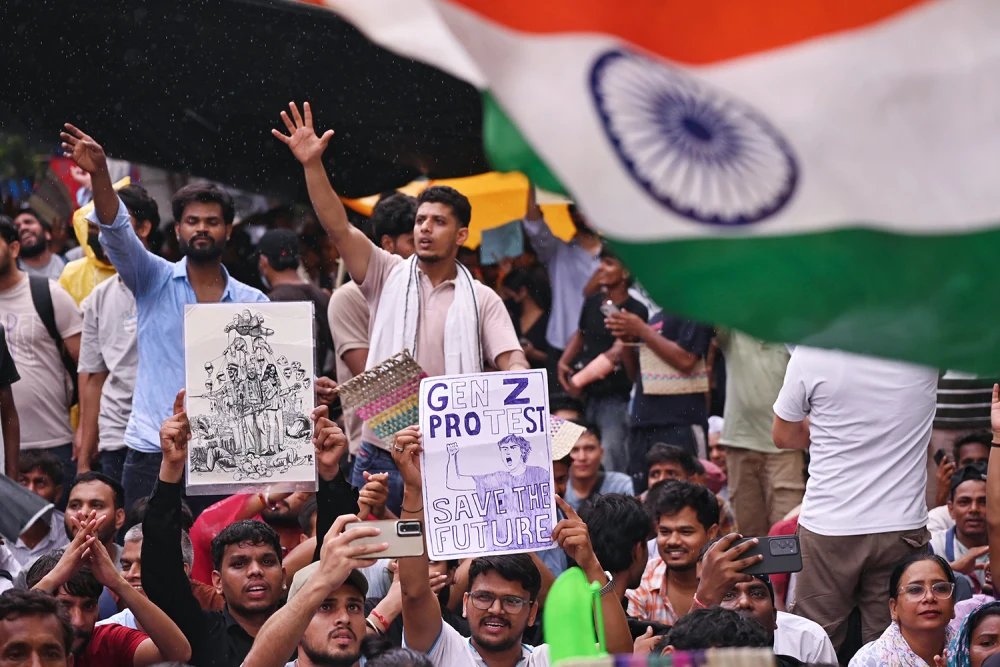
The demonstrations have attracted thousands of students, environmental advocates, and civil society groups, highlighting growing public concern over governance, environmental protection, and democratic participation.
Hunger strike ends after appeals from lawmakers
Wangchuk announced that he was ending his nearly month-long fast after receiving requests from elected representatives and supporters who urged him to preserve his health while continuing to advocate for his cause.
The activist said the hunger strike had succeeded in drawing national attention to the issues he believes require urgent action, and he expressed gratitude to those who participated in peaceful demonstrations across the country.
While ending the fast, Wangchuk emphasized that the broader campaign would continue through democratic and nonviolent means.
Protests continue to grow
Despite the conclusion of the hunger strike, demonstrations have shown little sign of slowing.
The movement, popularly referred to as the “Cockroach” protests, has evolved into one of India’s most sustained youth-led protest campaigns in recent years, with participants organizing rallies, marches, and public gatherings in several states.
Many protesters say the movement represents broader concerns about environmental conservation, government accountability, and the protection of local communities.
Social media has played a major role in amplifying the campaign, allowing supporters from across India to coordinate events, share updates, and mobilize public participation.
Symbolism behind the movement
The unusual name of the protests has drawn widespread attention and sparked debate online.
Supporters have used the symbol as a way of expressing resilience and persistence, arguing that ordinary citizens continue to raise their voices despite political and institutional challenges.
The movement has particularly resonated with younger Indians, many of whom have embraced peaceful demonstrations and digital activism to draw attention to issues they believe deserve greater public discussion.
Sonam Wangchuk’s role
Wangchuk is widely known in India for his work in education, sustainable development, and environmental conservation, particularly in the Himalayan region of Ladakh. He has long advocated for ecological protection and policies designed to safeguard fragile mountain ecosystems.
Over the years, he has gained international recognition for promoting innovative educational methods and environmentally sustainable technologies. His work also inspired elements of the popular Bollywood film 3 Idiots, helping make him one of India’s most recognizable public educators.
His decision to undertake a prolonged hunger strike drew significant national attention, with supporters viewing it as a peaceful attempt to encourage dialogue with authorities.
Calls for dialogue
As demonstrations continue, many participants are urging government officials to engage with protesters through constructive discussions rather than confrontation.
Political observers say the movement has become one of the most closely watched public campaigns in India, reflecting broader debates over environmental policy, governance, and citizen participation.
While Wangchuk has ended his fast, organizers say the campaign itself is far from over. They have pledged to continue peaceful protests and public outreach efforts, arguing that sustained civic engagement is necessary to bring attention to the issues at the heart of the movement.
The coming weeks are expected to determine whether the protests lead to renewed dialogue between activists and government officials or continue as one of the country’s most prominent grassroots movements.